

Introduction
A student community refers to a group of learners who come together to share knowledge, support each other, and collaborate in their educational journey. These communities can take various forms, but their core purpose remains the same: fostering connection and enhancing the learning experience.
Student communities exist in two main forms:
- Physical communities, where students interact face-to-face on campuses, study groups, or clubs.
- Virtual communities, which bring learners together online through forums, social media groups, and digital platforms, transcending geographical boundaries.
The importance of student communities in education cannot be overstated. They provide emotional support, encourage collaboration, and create opportunities for peer learning—helping students stay motivated, deepen understanding, and build networks that extend beyond the classroom.
What Is a Student Community?

A student community is a group of learners who connect around shared educational goals, interests, or experiences. At its core, a student community fosters collaboration, mutual support, and a sense of belonging, helping members thrive both academically and personally.
Core Characteristics and Purpose
- Shared interests or goals: Whether academic or social, members unite around common themes.
- Interaction and communication: Regular exchange of ideas, questions, and feedback.
- Support and encouragement: Providing motivation and assistance during challenges.
- Collaboration: Working together on projects, studying, or extracurricular activities.
Types of Student Communities
- Academic Communities: Focused on coursework and learning, such as study groups or discipline-specific clubs.
- Social Communities: Built around friendship and social interaction, like campus organizations or cultural groups.
- Interest-Based Communities: Centered on hobbies or causes, such as debate clubs, environmental groups, or gaming communities.
Examples
- Campus Clubs: Student organizations that meet in person to engage in shared activities or causes.
- Online Forums: Digital spaces like Reddit or course-specific discussion boards where students ask questions and share resources.
- Study Groups: Small groups, either virtual or in-person, that meet regularly to review material and prepare for exams together.
Importance of Student Communities
Student communities play a vital role in enriching the educational experience by offering multiple benefits across academic, social, and professional dimensions:
1. Academic Benefits: Collaboration and Knowledge Sharing
Being part of a student community encourages collaboration on assignments, projects, and exam preparation. Through group discussions and peer tutoring, students can deepen their understanding, clarify doubts, and gain diverse perspectives that enhance learning.
2. Social and Emotional Support: Combating Isolation and Mental Health Benefits
Student communities provide a sense of belonging and camaraderie, which is especially important in reducing feelings of isolation—common in both traditional and online learning environments. Having peers to share experiences with can boost mental well-being and motivation.
3. Skill Development: Leadership, Communication, and Teamwork
Active participation in communities helps students develop essential soft skills. Leading a club, organizing events, or contributing to discussions builds leadership abilities, improves communication, and fosters teamwork—skills highly valued beyond academics.
4. Networking and Career Advantages
Communities offer opportunities to connect with like-minded peers, mentors, and industry professionals. These networks can lead to internships, job referrals, and collaborations, giving students a head start in their career journeys.
Benefits of Being Part of a Student Community
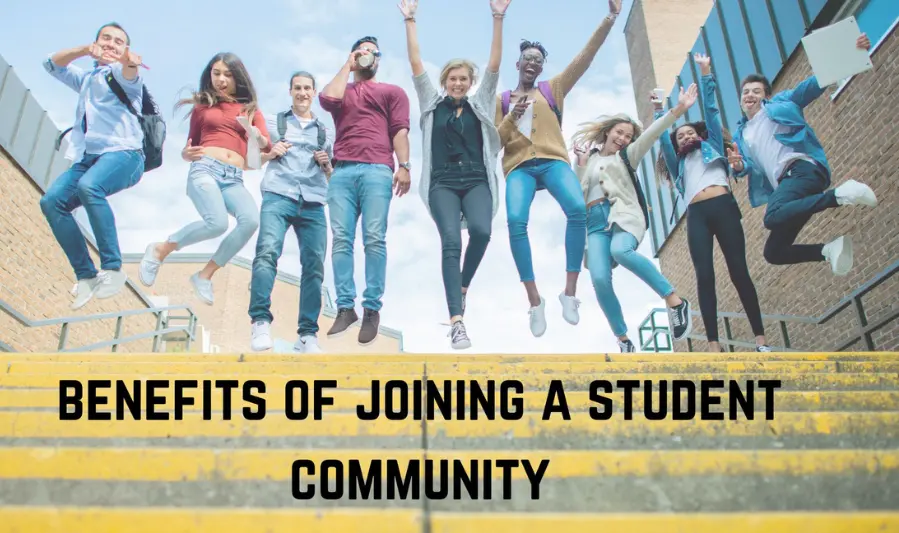
Joining a student community offers a range of advantages that go beyond the classroom, enriching both your academic journey and personal development:
1. Exposure to Diverse Perspectives
Interacting with peers from different backgrounds and disciplines broadens your understanding and encourages critical thinking. This diversity fosters creativity and helps you see problems and solutions from multiple angles.
2. Peer Mentoring and Tutoring Opportunities
Student communities often provide chances to both receive and offer support. Peer mentoring helps clarify difficult concepts and build confidence, while tutoring others reinforces your own knowledge and leadership skills.
3. Increased Motivation and Accountability
Being part of a group creates a sense of commitment. Regular meetings, shared goals, and encouragement from peers can boost your motivation and keep you accountable to your studies and personal growth.
4. Access to Resources and Information
Communities often share valuable resources such as study materials, job openings, workshops, and events. Staying connected ensures you don’t miss out on opportunities that can aid your learning and career.
5. Opportunities for Personal and Professional Growth
Active involvement helps you develop soft skills like communication, teamwork, and leadership. It also expands your network, opening doors to internships, jobs, and collaborations that support your future goals.
How to Build a Strong Student Community
Building a vibrant and lasting student community takes thoughtful effort and ongoing commitment. Here are key strategies to create a supportive, engaging, and inclusive environment:
1. Creating an Inclusive Environment
Foster a culture where diversity is celebrated and everyone feels they belong. Encourage respect for different backgrounds, perspectives, and abilities. Make sure all members feel welcomed and valued by actively addressing bias and promoting open communication.
2. Strategies for Recruiting and Welcoming New Members
Attract new members by clearly communicating the community’s purpose and benefits. Use flyers, social media, campus announcements, or online forums. When new members join, provide warm welcomes through orientation sessions, personal introductions, or mentorship programs to help them integrate smoothly.
3. Organizing Events and Activities
Plan a mix of academic and social events to keep members engaged. This can include:
- Study sessions for collaborative learning
- Workshops or guest lectures to add value
- Social gatherings like game nights or cultural celebrations to build friendships
Variety helps cater to different interests and strengthens community bonds.
4. Utilizing Technology and Social Media for Engagement
Leverage platforms like Discord, Slack, Facebook Groups, or WhatsApp to maintain communication and share updates. Online tools can facilitate discussions, polls, event planning, and resource sharing—especially important for virtual or hybrid communities.
5. Encouraging Leadership and Member Ownership
Empower members to take on leadership roles or organize activities. When students feel ownership, they’re more invested in the community’s success. Rotate responsibilities to build skills and keep energy fresh, and recognize contributions to foster motivation.
Tools and Platforms for Student Communities
Building and maintaining a thriving student community is much easier with the right digital tools. Here’s a rundown of popular platforms and resources that can help foster communication, collaboration, and organization:
1. Popular Online Platforms
- Discord: Great for real-time chat, voice channels, and community building, especially among younger students and gaming communities.
- Slack: Ideal for organized conversations via channels, file sharing, and integration with other productivity tools—often used in academic or professional settings.
- Facebook Groups: Widely used for social interaction and event sharing, offering a familiar interface and easy accessibility.
- WhatsApp: Simple, mobile-friendly messaging app perfect for quick communication and small group chats.
2. Learning Management System (LMS) Forums
Platforms like Moodle, Canvas, and Blackboard often include built-in forums where students can discuss coursework, ask questions, and share resources within a secure academic environment.
3. Event Management Tools
Tools such as Eventbrite, Meetup, or even Google Calendar help organize, promote, and manage community events, making RSVPs and scheduling easier for everyone.
4. Collaboration Tools
- Google Docs/Sheets/Slides: Enable real-time document editing and group projects, perfect for collaborative note-taking or presentations.
- Trello: A visual project management tool that helps communities organize tasks, plan events, and track progress collectively.
- Notion: Combines notes, databases, and project management, offering a flexible workspace for communities to organize information and workflows.
Sustaining and Growing Student Communities
Building a student community is just the beginning—keeping it active, positive, and growing requires ongoing effort. Here are some essential practices to sustain and expand your community over time:
1. Regular Feedback and Adapting to Member Needs
Encourage members to share their opinions through surveys, polls, or open discussions. Listen to their suggestions and be flexible—adjust activities, communication styles, and goals based on what the community wants and needs to stay relevant and engaging.
2. Celebrating Achievements and Recognizing Contributions
Highlight milestones, whether it’s academic successes, event participation, or leadership roles. Publicly acknowledging members’ efforts fosters a sense of appreciation and motivates continued involvement.
3. Handling Conflicts and Maintaining a Positive Culture
Address disagreements quickly and fairly to prevent negativity from spreading. Establish clear community guidelines, promote respectful communication, and encourage empathy. A healthy, supportive environment keeps members comfortable and connected.
4. Keeping Engagement High with Fresh Content and Activities
Regularly introduce new topics, challenges, or events to keep things exciting. Rotate leadership roles, invite guest speakers, or organize workshops. Variety and innovation keep members curious and invested in the community’s growth.
Challenges in Student Communities
While student communities offer many benefits, they also face unique challenges that require thoughtful management to keep the group healthy and effective:
1. Managing Diverse Personalities and Interests
Students come from varied backgrounds with different communication styles and priorities. Balancing these differences to create harmony and prevent misunderstandings can be tricky but is essential for inclusivity.
2. Ensuring Equal Participation and Preventing Cliques
Sometimes, a few voices dominate while others stay silent. Encouraging balanced participation and breaking up exclusive cliques helps everyone feel included and valued.
3. Overcoming Virtual Fatigue in Online Communities
With so much screen time, online community members can experience burnout or disengagement. Finding ways to keep interactions meaningful, varied, and not overwhelming is key to sustaining interest.
4. Balancing Academic Workload and Community Involvement
Students often struggle to juggle studies and community activities. It’s important to respect members’ time, offer flexible participation options, and avoid overloading anyone.
Case Studies and Success Stories
Real-world examples of thriving student communities showcase their powerful impact on education, well-being, and personal growth. Here are some inspiring stories:
1. The Virtual Study Group at XYZ University
At XYZ University, a group of students created an online study community using Discord to support peers during remote learning. This group organized regular study sessions, shared resources, and held virtual Q&A events with professors. As a result, members reported improved grades and reduced feelings of isolation. One member shared,
“Being part of this community kept me motivated and connected when everything felt so distant. It truly made a difference in my academic success.”
2. The Diversity and Inclusion Club at ABC College
ABC College’s Diversity and Inclusion Club brought together students from different cultural backgrounds to foster understanding and celebrate diversity. Their events, such as cultural fairs and discussion panels, boosted campus morale and helped students feel more accepted and supported. The club leader noted,
“We’ve created a safe space where everyone’s voice matters. It’s incredible to see how this sense of belonging uplifts our members’ confidence both academically and socially.”
3. Khan Academy Learners’ Community
Khan Academy’s online forums connect millions of learners worldwide. Students help each other solve problems, share study tips, and celebrate milestones. Many users credit the community support for helping them overcome tough subjects and stay on track. A longtime forum contributor stated,
“The encouragement and guidance I found here kept me going through challenging times. It’s like having a study buddy available 24/7.”
4. Engineering Club at DEF High School
The DEF High School Engineering Club organizes hands-on projects and competitions that promote teamwork and practical skills. Participation has led to higher STEM engagement and improved academic outcomes. The faculty advisor shared,
“Students who join this club show increased enthusiasm for their classes and develop skills that prepare them for college and careers.”
you may also like to read these posts:
Education Is a Lifelong Journey, Not Just a Destination
Empowering Growth: The Future of Learning Platforms Today
Explore Top Online Courses to Boost Your Skills Today
Building a Strong and Supportive Student Community Online
Future Trends in Student Communities
Student communities are evolving rapidly, shaped by technological advances and changing student needs. Here are some key trends shaping their future:
1. Increasing Role of Technology and AI in Student Engagement
Artificial intelligence will personalize student experiences by tailoring content, recommending groups, and facilitating communication. Virtual assistants and chatbots may provide instant support, while data analytics help leaders understand member needs and improve community dynamics.
2. Hybrid Communities Blending Offline and Online Experiences
Future student communities will seamlessly integrate in-person and digital interactions. Hybrid models allow students to connect flexibly—meeting face-to-face when possible while maintaining active online engagement that transcends physical boundaries.
3. Focus on Mental Health and Well-being Initiatives
As mental health gains prominence, communities will play a bigger role in providing support resources, peer counseling, mindfulness activities, and safe spaces. Well-being will become a core pillar alongside academic and social engagement.
4. Collaboration Across Institutions or Globally
Student communities will increasingly collaborate beyond their own campuses, connecting learners from different schools, countries, and cultures. This cross-institutional networking promotes diversity, global perspectives, and shared learning opportunities on a larger scale.
Faqs:
What is a student community?
A student community is a group of students connected by shared interests, goals, or academic programs, providing support, collaboration, and social interaction.
Why is being part of a student community important?
Being part of a student community fosters academic success, offers emotional support, improves social skills, and builds networks that can benefit both personal and professional growth.
How can I join or start a student community?
You can join existing groups through your school, university clubs, or online platforms. To start one, identify common interests, gather interested peers, and organize regular meetings or activities.
Are student communities only for academic purposes?
No, student communities can be academic, social, hobby-based, or professional. They serve various purposes such as study groups, support networks, or clubs for shared interests.
How do online student communities work?
Online student communities use platforms like Discord, Slack, or Facebook Groups to connect members virtually, offering forums, chats, events, and resource sharing accessible anytime and anywhere.
Conclusion:
A strong student community plays a vital role in enhancing the educational experience by fostering collaboration, support, and personal growth. Whether online or in-person, these communities help students build lasting friendships, develop essential skills, and stay motivated throughout their academic journey. By actively participating in or creating a student community, learners not only enrich their time at school but also prepare themselves for success beyond the classroom.